





Managing Wear: Using Crowns to Restore Teeth Affected by Bruxism
On this page
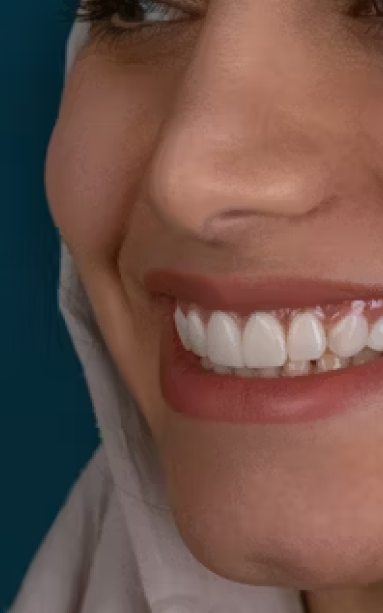
.webp)
Introduction: Understanding the Hidden Damage of Teeth Grinding
Do you ever wake up with a sore jaw or notice your teeth looking shorter or flatter than before? If yes, you might be suffering from bruxism, the medical term for teeth grinding or clenching — a condition that silently damages your teeth, gums, and jaw over time.
At TAG Dental Clinic in Johor Bahru (JB), we see many patients who only realize they grind their teeth when the damage is already visible. The good news? Dental crowns can effectively restore worn teeth, reinforce weakened enamel, and protect your natural smile for years to come.
What Is Bruxism and Why Does It Happen?
Bruxism is an involuntary habit of grinding or clenching teeth, often during sleep (night bruxism) but sometimes while awake (day bruxism).
Common Causes Include:
- Stress and anxiety (the #1 trigger for grinding)
- Sleep disorders like sleep apnea
- Improper bite alignment (malocclusion)
- Lifestyle factors – caffeine, alcohol, smoking
- Certain medications – such as antidepressants
While occasional grinding might seem harmless, chronic bruxism leads to serious enamel wear, fractures, and sensitivity.
The Long-Term Impact of Untreated Bruxism
Without treatment, bruxism causes progressive, irreversible wear that can affect both function and aesthetics.
Effects of Severe Teeth Grinding:
| Damage Type | Description |
|---|---|
| Enamel Erosion | Continuous friction wears away the protective enamel layer. |
| Tooth Flattening | Teeth appear shorter and smoother due to constant grinding. |
| Cracks & Fractures | Excess pressure causes micro-cracks or full tooth fractures. |
| Tooth Sensitivity | Exposed dentin makes teeth extremely sensitive to temperature. |
| TMJ Pain | Constant clenching stresses the jaw joints, causing pain or stiffness. |
| Aesthetic Decline | Teeth lose their natural shape, alignment, and brightness. |
Once enamel is gone, it cannot regenerate naturally — which is why fillings or whitening treatments alone are not enough.
Why Standard Fillings Are Insufficient for Bruxism Damage
While fillings can repair small cavities or chips, they’re not durable enough to withstand the constant pressure from grinding.
Reasons Fillings Fail in Bruxism Cases:
- Fillings cover only a part of the tooth, not the entire surface.
- The grinding force can crack or dislodge the filling.
- Composite fillings wear down faster under pressure.
That’s why dental crowns — full-coverage restorations — are the gold standard for protecting bruxism-damaged teeth.
How Dental Crowns Restore and Protect Worn Teeth
A dental crown is a custom-made “cap” that completely covers a damaged tooth, restoring its shape, size, strength, and appearance.
Step-by-Step Process at TAG Dental Clinic JB:
1. Diagnosis & Evaluation:
Our dentist in Johor Bahru examines your bite, tooth wear patterns, and jaw alignment to confirm bruxism-related damage.
2. Tooth Preparation:
The worn tooth is shaped to create space for the crown and ensure a precise fit.
3. Impression & Custom Design:
We take detailed impressions (without 3D scanning) to design your custom-fit crown that matches your natural teeth perfectly.
4. Crown Placement:
The crown is cemented securely, fully covering and protecting the damaged tooth from further grinding or wear.
5. Final Adjustments:
We check your bite and make small refinements to ensure comfort and long-term performance.
Benefits of Using Dental Crowns for Bruxism
| Benefit | Description |
|---|---|
| Full Protection | Covers the entire tooth, shielding it from further damage. |
| Durability | Made from strong materials (porcelain, zirconia, or metal-ceramic). |
| Restored Function | Allows normal chewing, speaking, and jaw alignment. |
| Improved Appearance | Restores a natural, uniform smile shape and color. |
| Prevents Fractures | Reinforces weakened teeth under stress. |
| Comfortable Fit | Custom-designed for each patient’s bite and jaw motion. |
With proper care and regular dental visits, crowns can last 20 years or more, offering both beauty and protection.
Caring for Crowns When You Have Bruxism
At TAG Dental Clinic JB, we emphasize daily hygiene and protective habits to extend the life of your crowns.
Daily Care Routine:
- Brush 3 times a day using a soft toothbrush and fluoride toothpaste.
- Use floss or interdental brushes to clean between crowned teeth
- Rinse with antibacterial mouthwash twice daily.
- Wear a night guard if you grind your teeth during sleep.
- Avoid chewing ice or hard foods to prevent crown fractures.
Even though crowns are durable, they can’t stop the grinding habit itself — which is why managing the root cause is equally important.
Managing Bruxism Beyond Crowns
Crowns protect your teeth, but behavioral and medical management help stop further damage.
Recommended Approaches:
- Night Guards: Custom-fit guards cushion teeth during sleep.
- Stress Management: Meditation, exercise, and relaxation reduce grinding triggers.
- Bite Correction: Adjusting misaligned bites can relieve uneven pressure.
- Routine Dental Visits: Check crown integrity and wear patterns regularly.
At TAG Dental Clinic in Johor Bahru, we take a holistic approach to bruxism — treating both the symptoms (tooth damage) and underlying causes (habit or stress).
Cost of Dental Crowns for Bruxism in JB
The cost of dental crowns varies based on material and complexity, but think of it as a long-term investment in oral health.
| Crown Type | Estimated Longevity | Typical Use |
|---|---|---|
| Porcelain | 10–12 years | Best for front teeth |
| Zirconia | 15+ years | Strong, ideal for grinders |
| Metal-Ceramic | 10–15 years | Balance of strength & aesthetics |
Your dentist in Johor Bahru will guide you on the best option depending on your tooth’s condition and grinding severity.
Conclusion: Protect Your Smile Before It’s Too Late
Teeth grinding may seem harmless, but over time, it silently erodes your enamel and weakens your bite.
Dental crowns offer a strong, long-lasting solution to restore damaged teeth and prevent further wear.
At TAG Dental Clinic JB, our expert dentists combine precision, compassion, and modern techniques to help you regain your natural smile — comfortably and confidently.
If you suspect bruxism or notice worn teeth, schedule a consultation today at TAG Dental Clinic in Johor Bahru — your trusted partner for comprehensive dental restoration and preventive care.
Frequently Asked Questions
What is bruxism and why does it happen?
Bruxism is teeth grinding or clenching, often caused by stress, anxiety, or bite misalignment.
Can fillings fix grinding-related wear?
No. Fillings are too weak to handle the pressure from grinding and often fail quickly.
Are crowns a permanent solution for bruxism?
Crowns protect your teeth, but managing grinding through night guards or stress reduction is still necessary.
How long do dental crowns last?
With good care and regular check-ups, crowns can last between 10–15 years or more.
Do crowns stop teeth from grinding?
No, but they prevent further damage caused by grinding.
What material is best for bruxism crowns?
Zirconia crowns are the strongest and most resistant to wear.
How do I care for my crowns daily?
Brush three times daily, floss regularly, and visit your dentist every 6 months.
Can bruxism damage crowns too?
Yes, if unmanaged, grinding can wear down even durable crowns — hence the importance of a night guard.
Will crowns look natural?
Absolutely. Modern crowns match the color and contour of your natural teeth perfectly.
When should I visit my dentist about tooth wear?
If you notice flat, short, or chipped teeth — or frequent jaw tension — schedule a visit immediately.
Recent posts
Introduction: The Hidden Habit That Harms Your Tee...
-in-jb.webp)
Causes, Night Guard Solutions & Long-Term Dama...
The Hidden Connection: How Your Bite Affects Your ...
- 18+years experience
- 17+years on implants
- 5+countries
Consult Dr. Moustafa Abdelaziz
MScD Orthodontics · Fellow, World Federation of Orthodontists
With advanced postgraduate implant training and international experience, Dr. Moustafa plans each implant denture case around your bone condition, oral health and smile goals — with a focus on safe, gentle, painless treatment.
- Advanced Dental Implants — Temple University, USA
- MJDF — Royal College of Surgeons, England
- Invisalign Certified
