





Laughing Gas for Wisdom Tooth Removal | TAG Dental Clinic
On this page
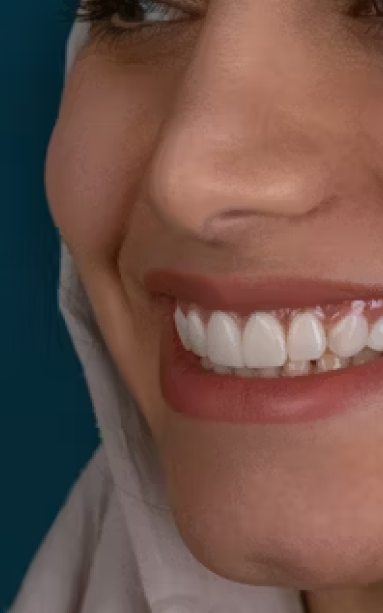
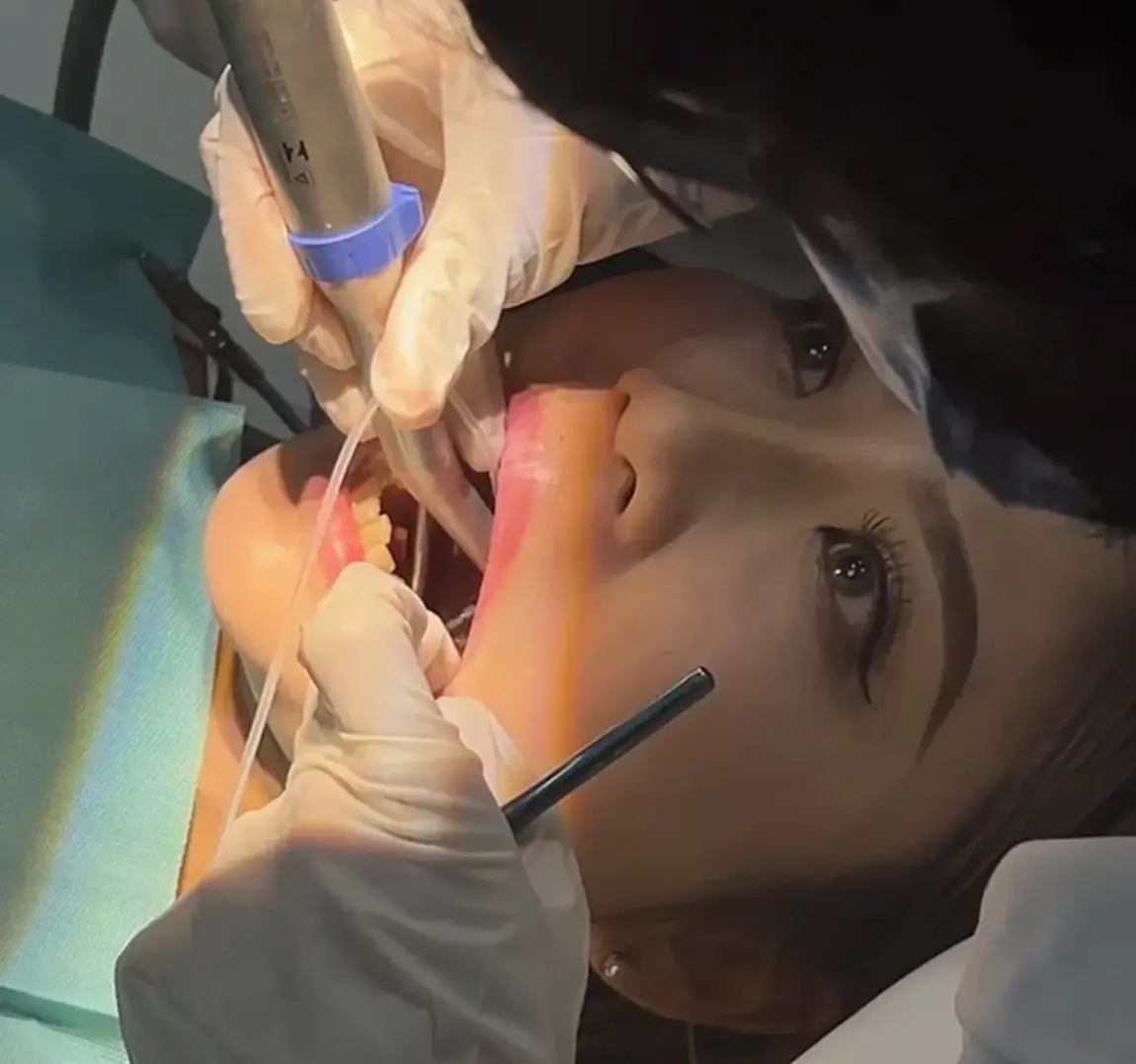
An 18-year-old patient with an impacted wisdom tooth underwent minor oral surgery with nitrous oxide (laughing gas) sedation to help her feel more relaxed during treatment.
For some patients, the thought of having a wisdom tooth removed can be more stressful than the procedure itself. The sounds, instruments and anticipation of dental treatment can cause feelings of nervousness or anxiety.
This was the case for an 18-year-old female patient with an impacted lower wisdom tooth (tooth #48). Because she was anxious and nervous before the procedure, nitrous oxide sedation, commonly known as laughing gas, was recommended to help her relax during treatment.
At TAG Dental Clinic in Johor Bahru, the patient subsequently underwent minor oral surgery to remove the impacted wisdom tooth, with the procedure completed successfully under laughing gas sedation.
Patient Profile
- Age: 18 years old
- Gender: Female
- Dental concern: Impacted wisdom tooth
- Tooth involved: #48
- Treatment: Surgical extraction of impacted wisdom tooth
- Sedation: Nitrous oxide (laughing gas)
The Patient's Concern: An Impacted Wisdom Tooth
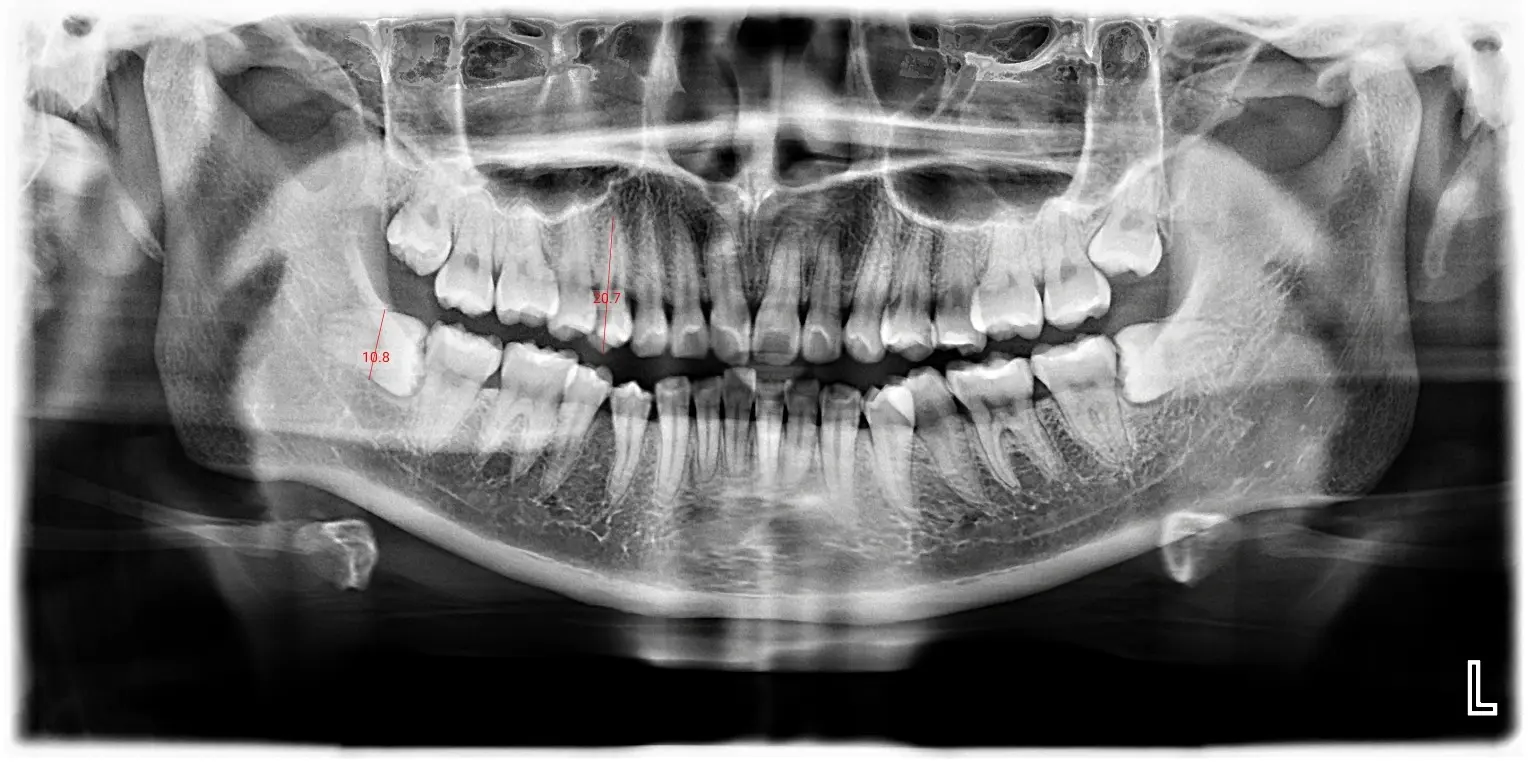
The patient presented with an impacted wisdom tooth #48.
Tooth #48 refers to the lower right third molar in the FDI tooth numbering system. Wisdom teeth are the final molars to develop and, in some patients, there may not be enough room for them to erupt normally.
When a wisdom tooth becomes impacted, it may remain partially or completely trapped beneath the gum or within the jawbone. Depending on its position and the patient's circumstances, removal may be recommended.
Figure 1: OPG/X-ray showing the impacted lower wisdom tooth (48).
An OPG can help the dental team assess the position of a wisdom tooth and its relationship with surrounding structures as part of treatment planning.
Anxiety Before Wisdom Tooth Removal
In addition to the impacted tooth itself, the patient was anxious and nervous before the procedure.
Dental anxiety is not unusual, particularly when a patient is expecting oral surgery. For younger patients undergoing their first surgical dental procedure, having a clear understanding of what will happen can also help make the experience more manageable.
In this case, the dental team recommended nitrous oxide sedation, also known as laughing gas, as part of the treatment approach.
What Is Laughing Gas?
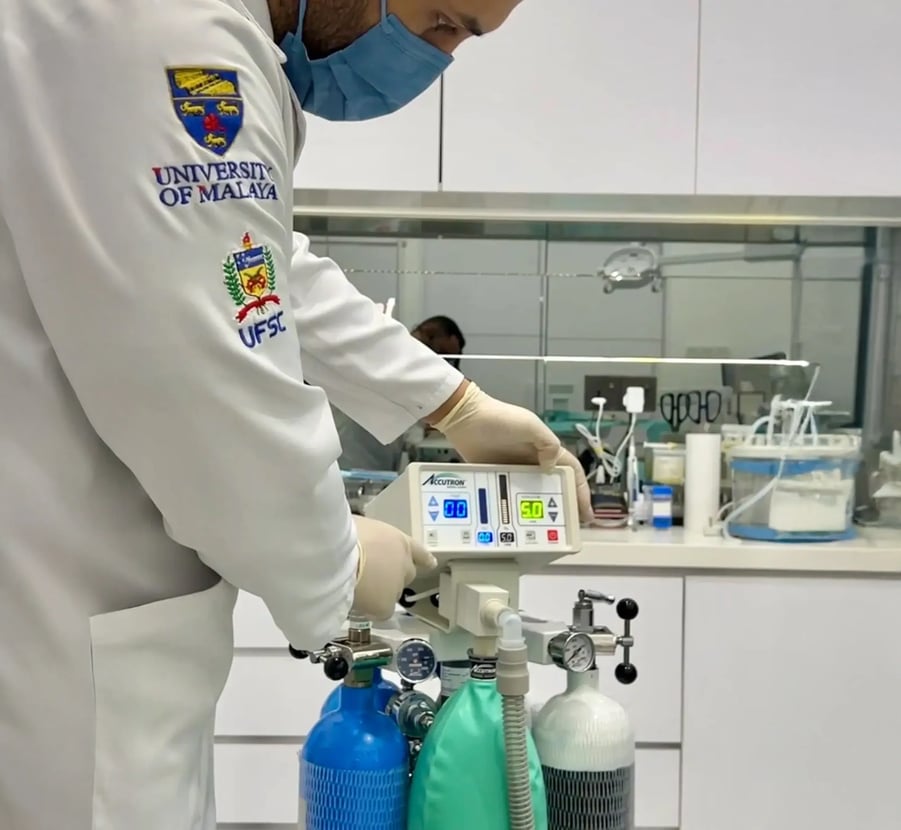
Laughing gas is the common name for nitrous oxide, a gas used in dentistry to help suitable patients feel more relaxed during dental treatment.
Nitrous oxide is inhaled through a small mask placed over the nose. It can produce a relaxed or calmer feeling while allowing the patient to remain conscious and responsive during treatment.
It is important to understand that nitrous oxide is a form of sedation, not general anaesthesia. Patients remain able to communicate with the dental team while receiving treatment.
Whether nitrous oxide is appropriate depends on the individual patient, the procedure and the dentist's assessment.
Why Was Laughing Gas Recommended for This Patient?
The main reason for recommending nitrous oxide in this case was the patient's anxiety and nervousness before wisdom tooth surgery.
The aim was to help her feel more relaxed and comfortable while the dental team carried out the procedure.
Sedation can be particularly useful for selected patients who feel nervous about dental treatment. However, it does not replace appropriate local anaesthesia for the surgical procedure itself. The dentist will determine the appropriate anaesthetic and sedation plan based on the patient's needs.
Wisdom Tooth #48 Removal Under Nitrous Oxide Sedation
The patient underwent minor oral surgery to extract the impacted wisdom tooth #48.
Because the tooth was impacted, the extraction required a surgical approach rather than a straightforward routine tooth extraction.
The exact steps involved in wisdom tooth surgery vary according to the position and condition of the tooth. Depending on the case, the dentist may need to access the tooth through the gum and carefully remove the tooth.
In this case, the procedure was successfully completed while the patient received nitrous oxide sedation.
What Does the Patient Experience During Laughing Gas Sedation?
Patients often describe nitrous oxide as producing a feeling of relaxation or lightness. Some may feel slightly warm, tingly or pleasantly relaxed.
The response can vary from one person to another.
One of the benefits of nitrous oxide sedation is that the patient remains conscious and can generally communicate with the dental team throughout treatment.
The dentist continuously determines whether the sedation is appropriate and adjusts the treatment according to the patient's response.
Wisdom Tooth Extraction for Anxious Patients
Being nervous about wisdom tooth removal does not mean a patient cannot undergo treatment comfortably.
A discussion with your dentist before the procedure can help identify concerns and determine whether additional measures, such as nitrous oxide sedation, may be appropriate.
For anxious patients, the treatment plan may involve:
- Discussing concerns before treatment
- Explaining the planned procedure
- Using appropriate local anaesthesia
- Considering sedation when clinically appropriate
- Monitoring the patient during treatment
- Providing post-operative instructions
The goal is to create a treatment experience that is safe, controlled and appropriate for the individual patient.
Successful Completion of Treatment
The wisdom tooth extraction was completed successfully under laughing gas sedation.
For this patient, nitrous oxide was incorporated into the treatment plan because she was particularly anxious and nervous before the procedure.
The case highlights an important point for patients considering wisdom tooth removal: you do not have to silently endure dental anxiety. If you are worried about an upcoming procedure, tell your dentist. There may be suitable ways to make the treatment experience more comfortable.
Considering Wisdom Tooth Removal in Johor Bahru?
If you have an impacted wisdom tooth or feel anxious about having your wisdom teeth removed, a dental assessment is the best place to start.
At TAG Dental Clinic, your dentist can assess the position of the wisdom tooth, discuss the recommended treatment and determine whether sedation options such as nitrous oxide may be appropriate for your situation.
Don't let dental anxiety stop you from getting the treatment you need. Talk to TAG Dental Clinic about your wisdom tooth removal options.
Recent posts
Overcome Dental Anxiety at TAG Does the thought of...
A closer look at how TAG Dental Clinic approached ...

Comfortable, Anxiety-Free Dental Treatment for JB ...
